
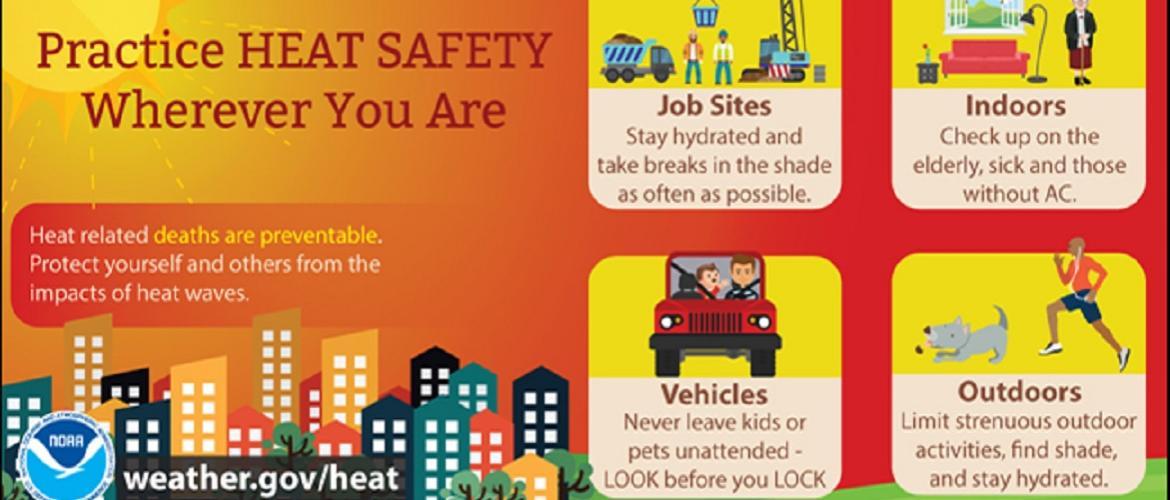
Heat and Safety Tips for this weekend
With highs expected to be in the 90's around the #RoCo this weekend. I wanted to provide you with the necessary information to keep you cool and safe during this upcomng heatwave.
Let's start with the most imprtant safety facor of all!
It is NEVER safe to leave a toddler, disabled person or pet locked in a car. Even in the winter. So far in 2018, one toddler has died due to heat. That death occured in February! Cars can heat up quickly when left in the sun.
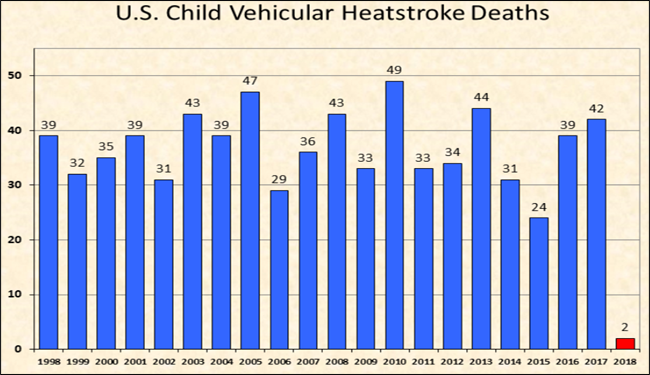
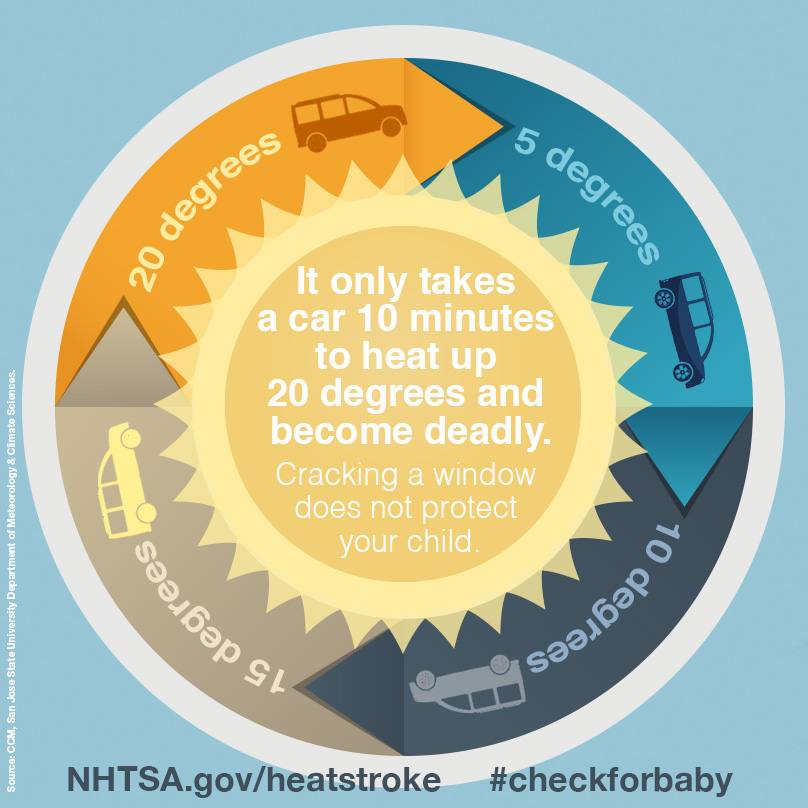
Each year, dozens of children and untold numbers of pets left in parked vehicles die from hyperthermia, which occurs when the body absorbs more heat than it can handle. Hyperthermia can occur even on a mild day with temperatures in the 70s. Studies have shown that the temperature inside a parked vehicle can rapidly rise to a dangerous level for children, pets and even adults. Leaving the windows slightly open does not significantly decrease the heating rate. The younger the child the more severe the effects because their bodies have not developed the ability to efficiently regulate its internal temperature.
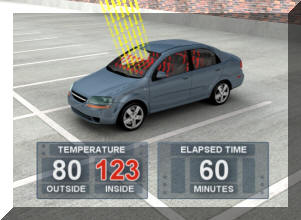
The sun's shortwave radiation (yellow in figure below) heats objects that it strikes. For example, a dark dashboard or seat can easily reach temperatures in the range of 180 to over 200°F. These objects (e.g., dashboard, steering wheel, child seat) heat the adjacent air by conduction and convection and also give off longwave radiation (red in figure below) which is very efficient at warming the air trapped inside a vehicle. Shown below are time lapse photos of thermometer readings in a car over a period of less than an hour. As the animation shows, in just over 2 minutes the car went from a safe temperature to an unsafe temperature of 94.3°F. This demonstration shows just how quickly a vehicle can become a death trap for a child.
Rowan County summers are hot. Sometimes spring and fall temperatures reach dangerous levels as well. Most summers see heat waves in one or more parts of the United States. Heat is one of the leading weather-related killers in the United States, resulting in hundreds of fatalities each year and even more heat-related illnesses. In addition to the resources below, OSHA offers a free OSHA Heat Safety App for both Android and iPhone.

During extremely hot and humid weather, your body's ability to cool itself is challenged. When the body heats too rapidly to cool itself properly, or when too much fluid or salt is lost through dehydration or sweating, body temperature rises and you or someone you care about may experience a heat-related illness. It is important to know the symptoms of excessive heat exposure and the appropriate responses.
–Heat Exhaustion
Symptoms:
Heavy sweating
Weakness
Cool, pale, clammy skin
Fast, weak pulse
Possible muscle cramps
Dizziness
Nausea or vomiting
Fainting
First Aid:
Move person to a cooler environment
Lay person down and loosen clothing
Apply cool, wet cloths to as much of the body as possible
Fan or move victim to air conditioned room
Offer sips of water
If person vomits more than once, seek immediate medical attention.
–Heat Stroke
Symptoms:
Altered mental state
One or more of the following symptons: throbbing headache, confusion, nausea, dizziness, shallow breathing
Body temperature above 103°F
Hot, red, dry or moist skin
Rapid and strong pulse
Faints, loses consciousness
First Aid:
Heat stroke is a severe medical emergency. Call 911 or get the victim to a hospital immediately. Delay can be fatal.
Move the victim to a cooler, preferably air-conditioned, environment.
Reduce body temperature with cool cloths or bath.
Use fan if heat index temperatures are below the high 90s. A fan can make you hotter at higher temperatures.
Do NOT give fluids.
Tips on how to react during excessiveky warm days.
Slow down: reduce, eliminate or reschedule strenuous activities until the coolest time of the day. Children, seniors and anyone with health problems should stay in the coolest available place, not necessarily indoors.
Dress for summer. Wear lightweight, loose fitting, light-colored clothing to reflect heat and sunlight.
Eat light, cool, easy-to-digest foods such as fruit or salads. If you pack food, put it in a cooler or carry an ice pack. Don't leave it sitting in the sun. Meats and dairy products can spoil quickly in hot weather.
Drink plenty of water (not very cold), non-alcoholic and decaffeinated fluids, even if you don't feel thirsty. If you on a fluid restrictive diet or have a problem with fluid retention, consult a physician before increasing consumption of fluids.
Use air conditioners or spend time in air-conditioned locations such as malls and libraries.
Use portable electric fans to exhaust hot air from rooms or draw in cooler air.
Do not direct the flow of portable electric fans toward yourself when room temperature is hotter than 90°F. The dry blowing air will dehydrate you faster, endangering your health.
Minimize direct exposure to the sun. Sunburn reduces your body's ability to dissipate heat.
Take a cool bath or shower.
Do not take salt tablets unless specified by a physician.
Check on older, sick, or frail people who may need help responding to the heat. Each year, dozens of children and untold numbers of pets left in parked vehicles die from hyperthermia. Keep your children, disabled adults, and pets safe during tumultuous heat waves.
Don't leave valuable electronic equipment, such as cell phones and gps units, sitting in hot cars.
Make sure rooms are well vented if you are using volatile chemicals.
–Safety Tips for Parents
Even on mild days in the 70s, studies have shown that the temperature inside a parked vehicle can rapidly rise to a dangerous level for children, pets and even adults. Leaving the windows slightly open does not significantly decrease the heating rate. The effects are more severe on children because their bodies warm at a faster rate than adults. A dark dashboard or carseat can quickly reach temperatures in the range of 180°F to over 200°F. These objects heat the adjacent air by conduction and convection and also give off long wave radiation, which then heats the air trapped inside a vehicle. Follow these tips to ensure your child's safety.
Touch a child's safety seat and safety belt before using it to ensure it's not too hot before securing a child
Never leave a child unattended in a vehicle, even with the windows down, even for just a minute
Teach children not to play in, on, or around cars. They could accidentally trap themselves in a hot vehicle.
Always lock car doors and trunks--even at home--and keep keys out of children's reach.
Always make sure children have left the car when you reach your destination. Don't leave sleeping infants in the car ever.
I know this is a lot of informtion to digest at one point. So please condier bookmarking this page so you can refer back to it at any point. I will provide updates all weekend long as the temperature heats up. Right here on this aite as well as on my social media networks. As always thank you for following Rowan County Weather. Please stay safe and cool this weekend!