
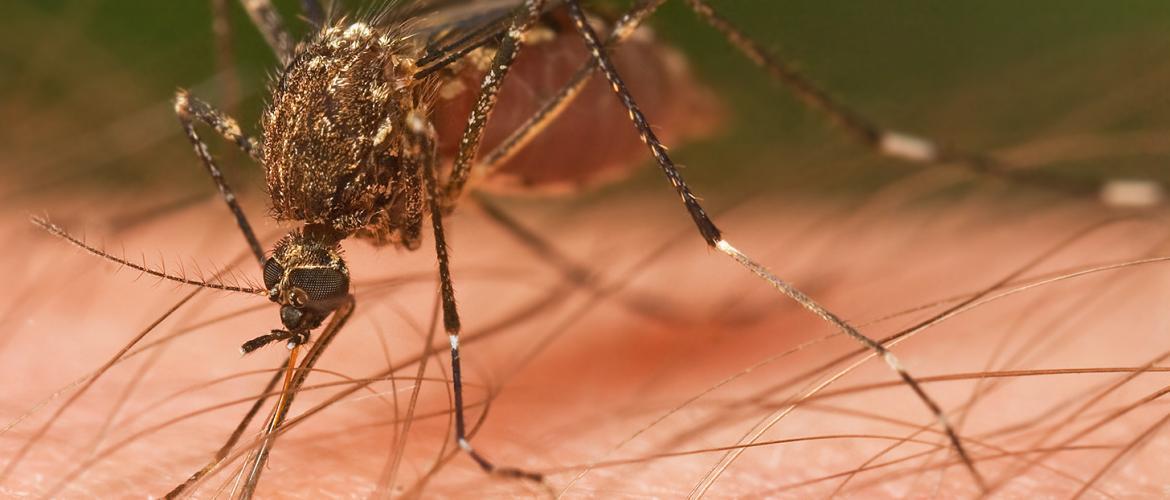
Ways you can control Mosquito's around your home
As we continue to move into the warmer months. Mosquito's become a problem. This year it is even more of a concern with the Zika Virus. I wanted to take some time to help you understand ways you can control the Mosquito population around your home and be prepared this year.
General Information
Almost everyone has had the unpleasant experience of being bitten by a mosquito. Mosquito bites can cause skin irritation through an allergic reaction to the mosquito's saliva - this is what causes the red bump and itching. But a more serious consequence of some mosquito bites may be transmission of certain serious diseases such as malaria, dengue fever and several forms of encephalitis, including West Nile virus.
Not only can mosquitoes carry diseases that afflict humans, but they also can transmit several diseases and parasites that dogs and horses are very susceptible to. These include dog heart worms, eastern equine encephalitis and West Nile virus.
There are about 200 different species of mosquitoes in the United States, all of which live in specific habitats, exhibit unique behaviors and bite different types of animals. Despite these differences, all mosquitoes share some common traits, such as a four-stage life cycle.
Different species of mosquitoes prefer different types of standing water in which to lay their eggs. The presence of beneficial predators such as fish and dragonfly nymphs in permanent ponds, lakes and streams usually keep these bodies of water relatively free of mosquito larvae. However, portions of marshes, swamps, clogged ditches and temporary pools and puddles are all prolific mosquito breeding sites. Other sites in which some species lay their eggs include:
- tree holes,
- old tires,
- buckets,
- toys,
- potted plant trays and saucers,
- plastic covers or tarpaulins and even
- places as small as bottle caps!
Some of the most annoying and potentially dangerous mosquito species, such as the Asian tiger mosquito, come from these sites.
Mosquito Life Cycle
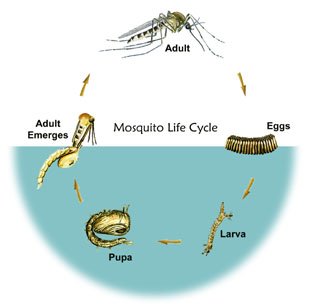
Knowing the different stages of the mosquito's life will help you prevent mosquitoes around your home and also help you choose the right pesticides for your needs, if you decide to use them. All mosquito species go through four distinct stages during their life cycle:
- egg - hatches when exposed to water
- larva - (plural: larvae) "wriggler" lives in water; molts several times; most species surface to breathe air
- pupa - (plural: pupae) "tumbler" does not feed; stage just before emerging as adult
- adult - flies short time after emerging and after its body parts have hardened.
The first three stages occur in water, but the adult is an active flying insect. Only the female mosquito bites and feeds on the blood of humans or other animals.
- After she obtains a blood meal, the female mosquito lays the eggs directly on or near water, soil and at the base of some plants in places that may fill with water. The eggs can survive dry conditions for a few months.
- The eggs hatch in water and a mosquito larva or "wriggler" emerges. The length of time to hatch depends on water temperature, food and type of mosquito.
- The larva lives in the water, feeds and develops into the third stage of the life cycle called, a pupa or "tumbler." The pupa also lives in the water but no longer feeds.
- Finally, the mosquito emerges from the pupal case after two days to a week in the pupal stage.
- The life cycle typically takes up two weeks, but depending on conditions, it can range from 4 days to as long as a month.
The adult mosquito emerges onto the water's surface and flies away, ready to begin its lifecycle.
Remove Mosquito Habitats
An important part of mosquito control around your home is making sure that mosquitoes don't have a place to lay their eggs. Because mosquitoes need water for two stages of their life cycle, it's important to monitor standing water sources.
- Get rid of standing water in rain gutters, old tires, buckets, plastic covers, toys or any other container where mosquitoes can breed.
- Empty and change the water in bird baths, fountains, wading pools, rain barrels and potted plant trays at least once a week to eliminate potential mosquito habitats.
- Drain temporary pools of water or fill with dirt.
- Keep swimming pool water treated and circulating.
Prevent Your Exposure to Mosquitoes
Use the following tips to help protect yourself from exposure to mosquitoes.
- Use EPA-registered mosquito repellents when necessary and follow label directions and precautions closely.
- Tuck shirts into pants and pants into socks to cover gaps in your clothing where mosquitoes can get to your skin.
- Use head nets, long sleeves and long pants if you venture into areas with high mosquito populations, such as salt marshes.
- Stay indoors at sunrise, sunset and early in the evening when mosquitoes are most active, especially if there is a mosquito-borne disease warning in effect.
- Replace your outdoor lights with yellow "bug" lights, which tend to attract fewer mosquitoes than ordinary lights. The yellow lights are NOT repellents, however.
Use structural barriers
- Cover all gaps in walls, doors and windows to prevent mosquitoes from entering.
- Make sure window and door screens are "bug tight."
- Completely cover baby carriers and beds with netting.
Using Repellent Products to Protect against Mosquito-Borne Illnesses
Recent outbreaks of mosquito-borne viral illnesses in Puerto Rico and Hawaii have raised questions about how to protect against the mosquitoes that transmit dengue, Zika, and other viral diseases (Aedes albopictus and Aedes aegypti).
Insect repellents registered by the EPA can be expected to repel these mosquitoes, provided the EPA-approved labeling says the product is for use to protect against mosquitoes in general or against Aedes mosquitoes in particular. EPA must have reviewed and accepted data to support these claims.
Insect repellents are one part of a more comprehensive program to control mosquitoes that transmit diseases such as dengue or Zika. Avoiding or preventing bites can help prevent transmission of dengue and any other vector-borne diseases. You can, for example, exclude mosquitoes from your home by using window and door screens. Dressing in light-colored clothing, long pants, and long sleeves, avoiding areas where mosquitoes are present, and taking other actions such as removing sources of standing water to prevent breeding can also help.
When in doubt you can always hire an exterminator to come out and spray the area around your home to help provide you with a defense against Mosquito's this year.
As always thank you for following Rowan County Weather!